In 2023, the Cincinnati Comprehensive Sickle Cell Center identified several gaps in knowledge and comfort levels among those doing frontline newborn screening (NBS) counseling. This demonstrated a clear need for an interactive training platform and companion materials to educate families.

Newborn Screening Coordinators (NBSCs) did not have a standard method of communicating complicated information to families, often resulting in panic and confusion about a diagnosis.

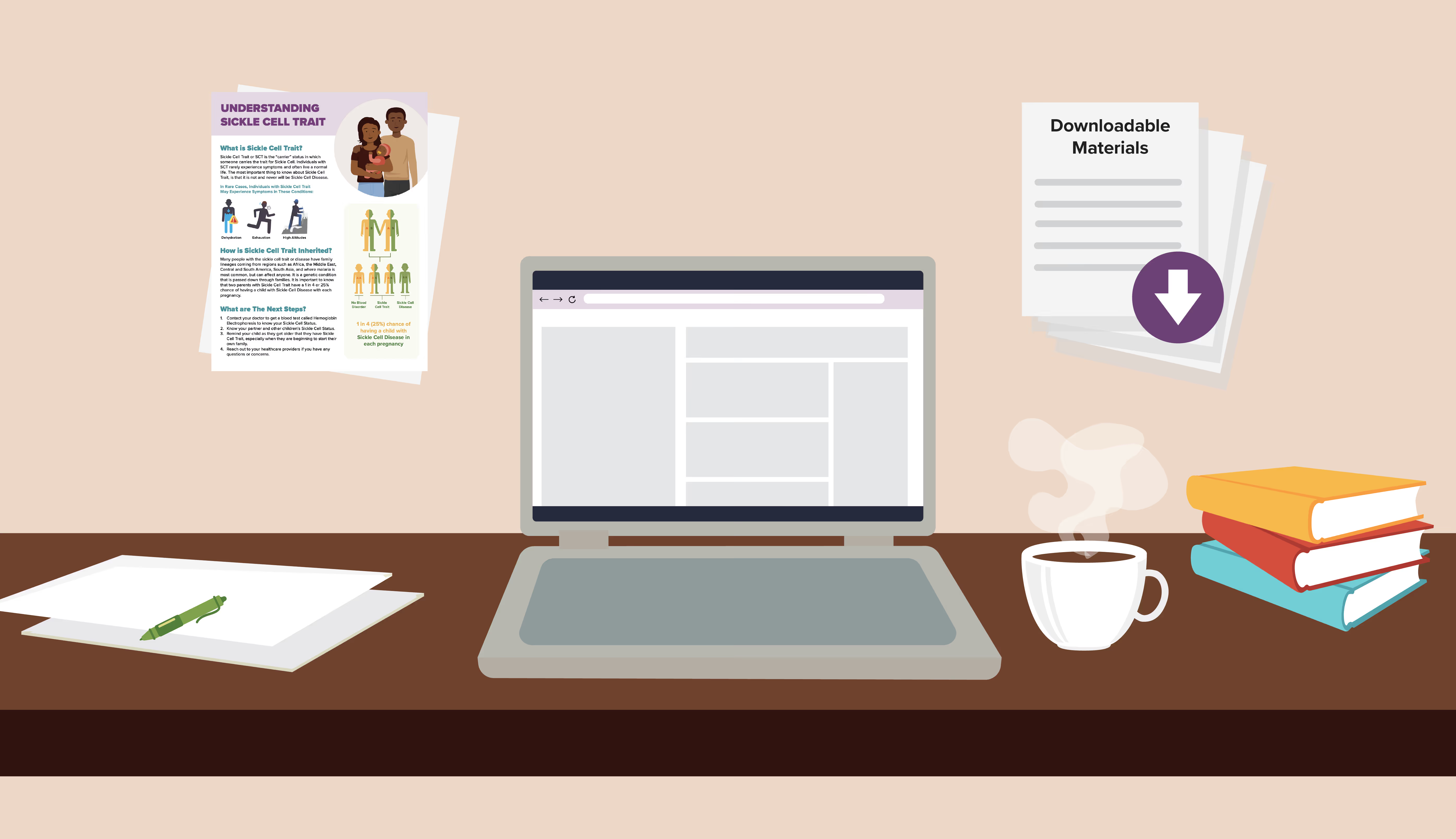
Created a suite of materials to bolster NBSCs' knowledge, teach families from the ground up, and maximize conversational time during family counseling sessions.

Consistency and accuracy go hand in hand. NBSCs are better equipped to do their jobs, and parents of newborns with sickle cell trait can confidently understand and act on their child's diagnosis.
“There are misconceptions and false information spread around the community about SCT. We need standardized materials to disseminate accurate information to NBSCs and families.”
–
Sponsor Team Member
Most individuals with sickle cell disease and sickle cell trait are diagnosed at birth with universal newborn screening (NBS). However, there is considerable variability in how families receive this information from state departments of health follow-up programs, primary care providers, and even community-based organizations. There is often a gap in knowledge and self-confidence in sharing information, as there are no certifications or evidence-based best practices for NBS coordinators. There are also cultural and social determinants of health factors that must be considered when providing this information to families and should be integrated into NBS training.
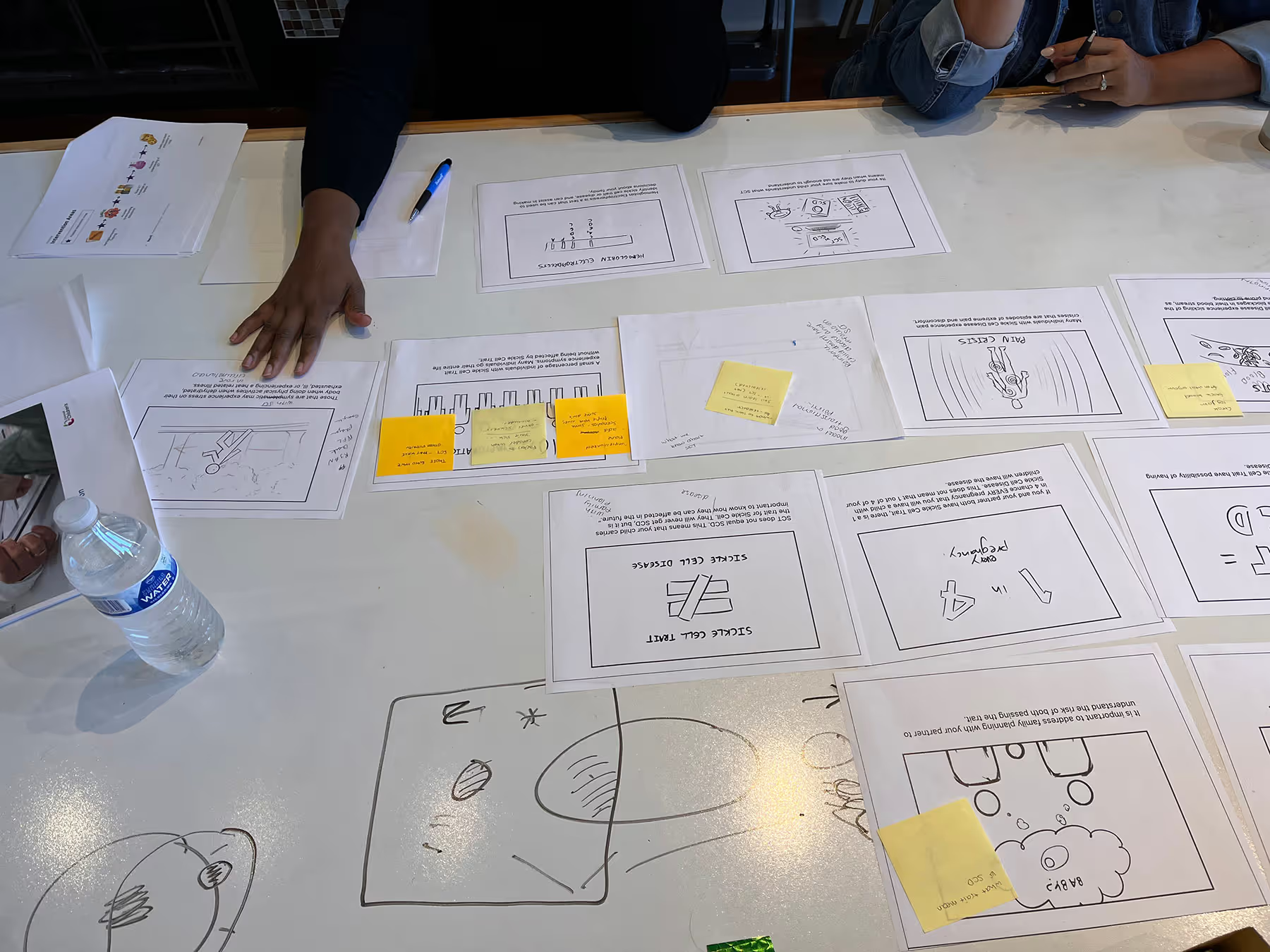
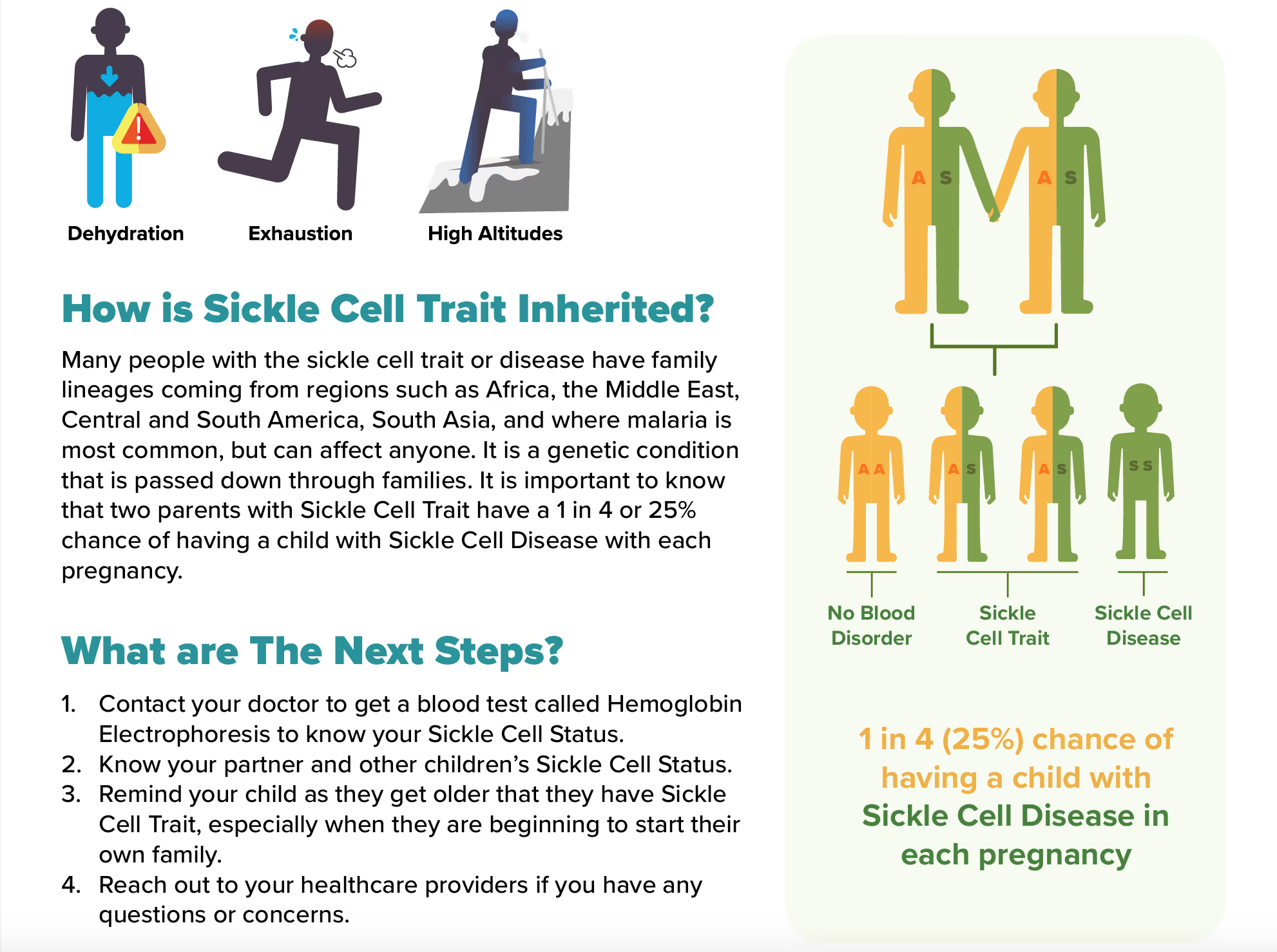
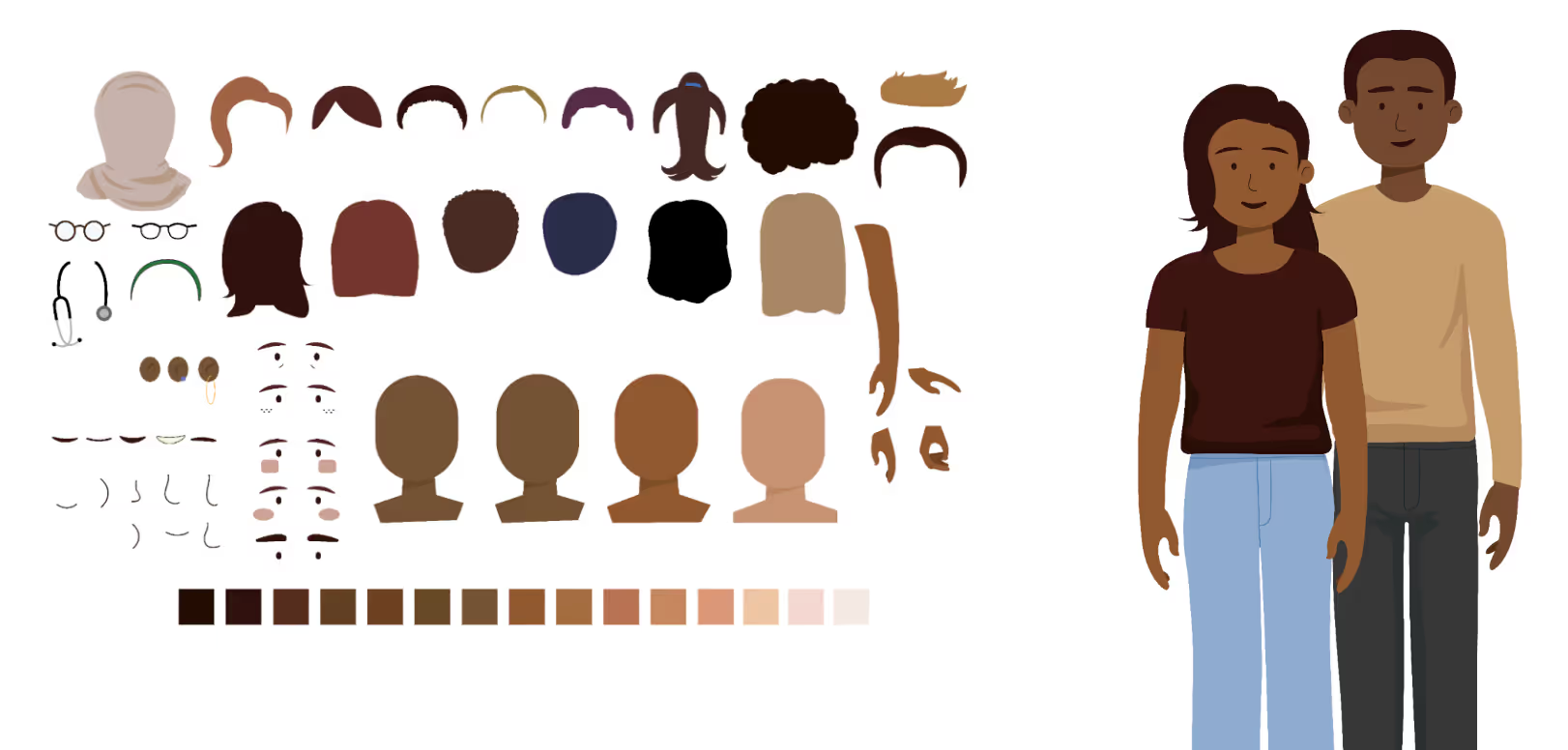
The Live Well team wrote a video script that was fact-checked by NBSCs, who were included in one-on-one testing sessions for storyboards and test animatics. Parents of newborns with sickle cell trait also advised on inclusive character design, plain language, and tone.
The new suite of materials includes a NBSC reference guidebook, a presentation to be given to families, a one-page flyer for families to use at home, and a video to be shared during and after the counseling session.
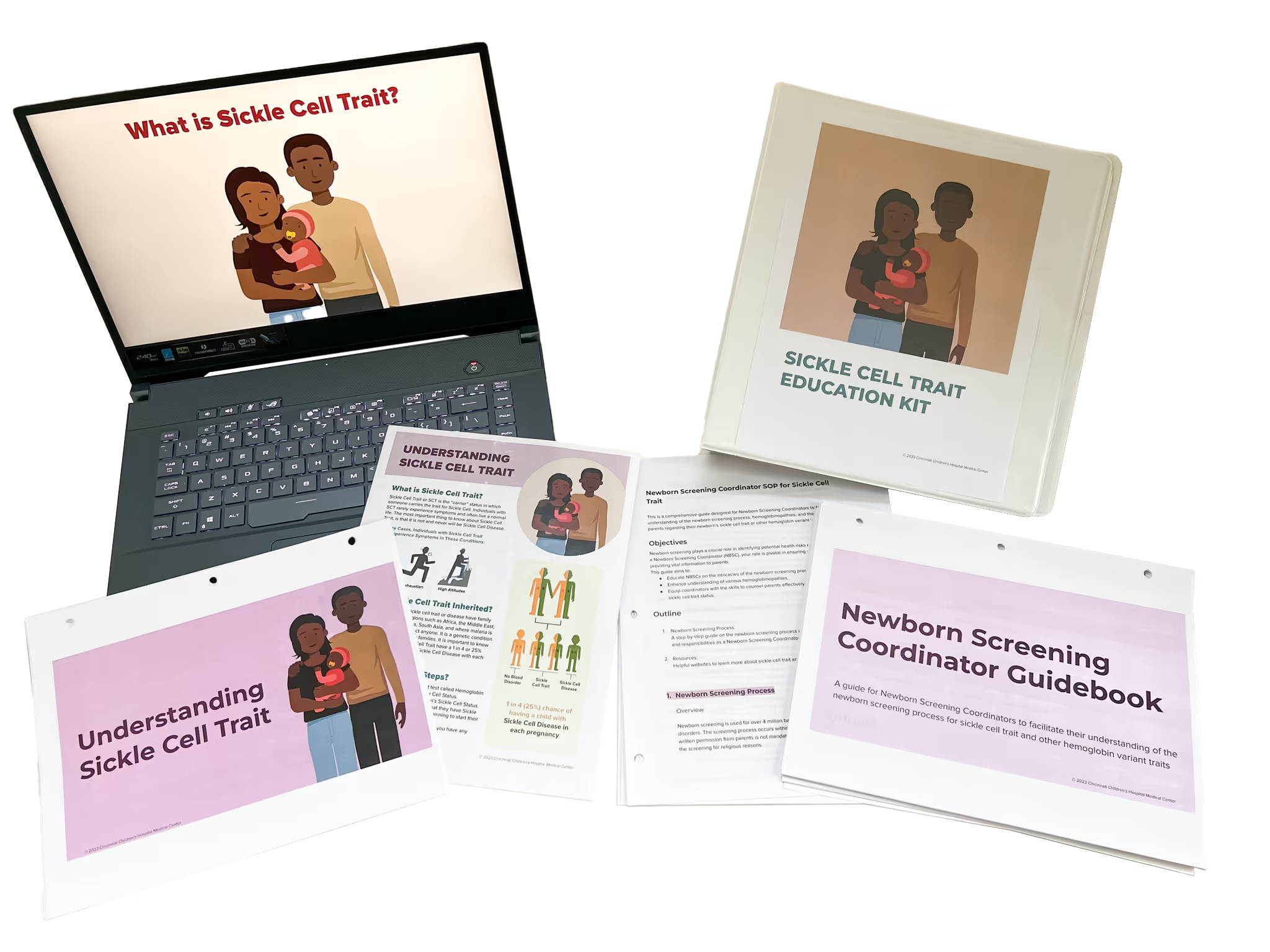
In this system, parents and families have the opportunity to learn from NBSCs in a conversational format and ask questions along the way. This avoids the information overload that was once common in these meetings and allows the NBSC to be more efficient with their time, as information retention was proven to have increased after testing sessions.
By offering culturally relevant materials, now available in multiple languages, the Comprehensive Sickle Cell Center and its statewide partners can better teach and advise parents of newborns with sickle cell trait. This in turn allows families to approach their child's care and future conversations with confidence.



20 E Central Parkway
Cincinnati, OH 45202
*Entrance on Jackson St.